Post-Pregnancy Restoration – Reclaiming Confidence
Post-Pregnancy Restoration – Reclaiming Confidence
By Dr. Bouraoui Kotti · Plastic Reconstructive & Aesthetic Surgeon · Dubai, UAE · March 10, 2025
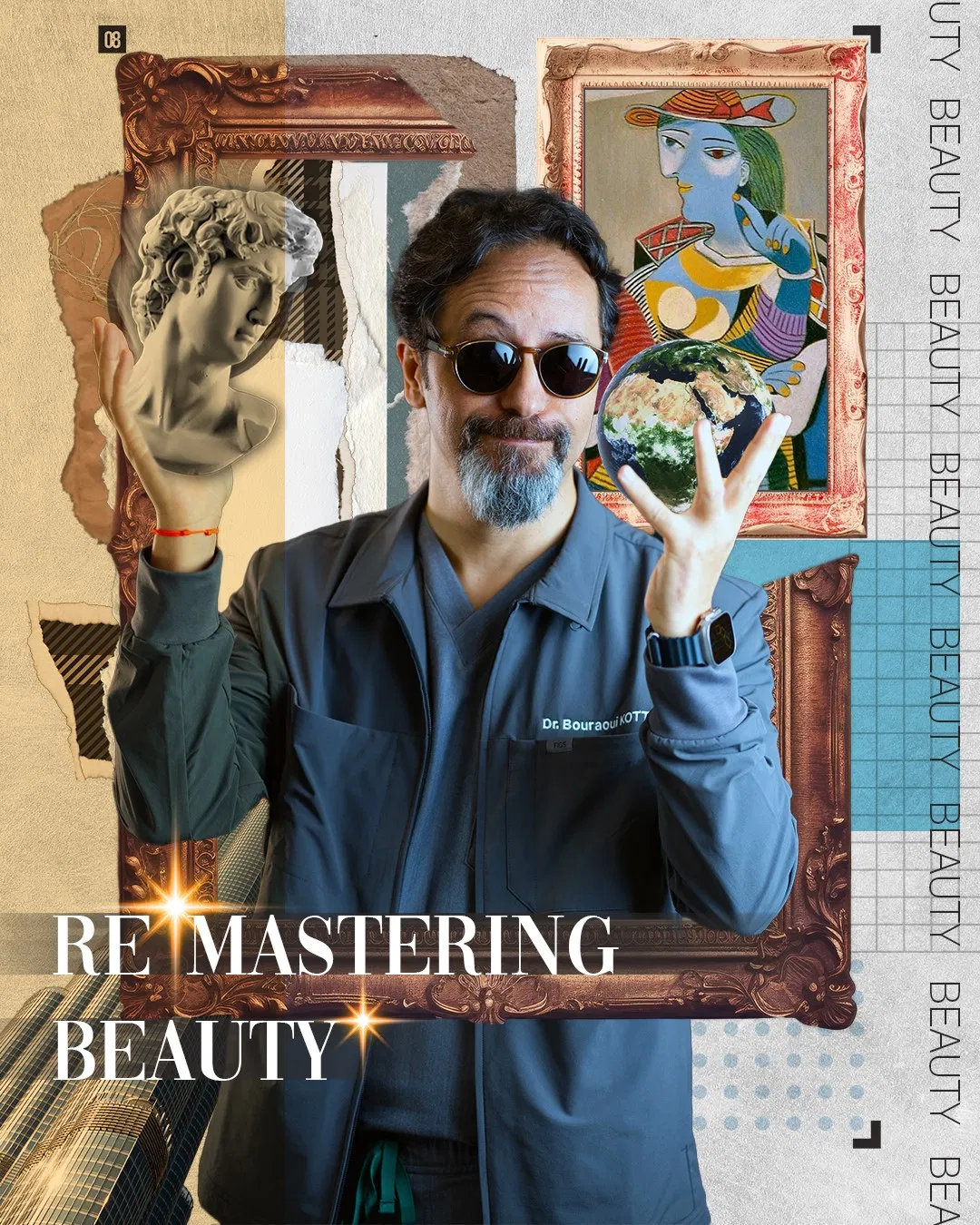
 Dr. Bouraoui Kotti — Plastic Reconstructive & Aesthetic Surgeon, Dubai · via Gulf News
Motherhood is one of life’s greatest gifts — an experience that brings unparalleled joy, love, and a profound shift in how a woman understands her own body. Yet the physical changes that accompany pregnancy, childbirth, and breastfeeding are rarely spoken about with the same openness. Stretched abdominal muscles, altered breast volume, redistributed fat, and loose skin are not cosmetic inconveniences. They are structural changes — and for many women, they represent a genuine disconnect between how they feel on the inside and how they experience their own body on the outside.
In today’s environment — shaped equally by social media pressure, professional expectations, and a growing cultural conversation around women’s health and self-care — more women are choosing to address that disconnect. Not in pursuit of an impossible ideal, but in pursuit of themselves. This is the premise on which post-pregnancy restoration has become one of the most sought-after procedures in modern aesthetic medicine.
And it is a procedure that Dr. Bouraoui Kotti — plastic reconstructive and aesthetic surgeon practising in Dubai — has spent years refining into something that bears little resemblance to the interventions that once gave cosmetic surgery its reputation for difficult recoveries and unpredictable outcomes.
What Is Post-Pregnancy Restoration?
Post-pregnancy restoration is not a single procedure. It is a carefully planned, individually tailored combination of surgical interventions designed to address the specific anatomical changes caused by pregnancy and breastfeeding. In Dr. Kotti’s practice, this typically encompasses:
- Breast surgery — lift (mastopexy), augmentation, or a combination of both, depending on the volume lost and the degree of ptosis present after breastfeeding
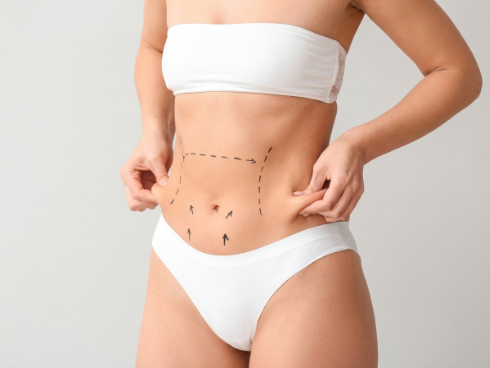
- Abdominoplasty (tummy tuck) — addressing the stretched or separated abdominal muscles (diastasis recti) that no amount of exercise can fully correct, alongside the removal of excess skin
- Liposculpture — targeted fat removal and redistribution to redefine the waist, flanks, and hips
- Intimate area rejuvenation — where indicated, addressing functional and aesthetic changes to the perineal area following childbirth
The power of combining these procedures lies in coherence and efficiency. Addressing each concern individually across separate surgeries would mean multiple anaesthetics, multiple recoveries, and considerably more disruption to a mother’s daily life. Performed together under a single, structured surgical plan, the outcomes are more harmonious — and the patient returns to her life far sooner.
Beyond Safety — A Structured Approach to Clinical Outcomes
The concern most women raise when considering any combination procedure is understandable: is it safe to undergo several surgeries at once? In the right clinical hands, with the right pre-operative planning, the answer is yes. And the quality of that planning is everything.
Dr. Kotti’s approach to post-pregnancy restoration is built on meticulous preparation and a structured Operating Theatre (OT) protocol designed specifically to optimise both patient safety and surgical efficiency. By refining the sequence and execution of each component, he has reduced total surgery time without compromising precision — a development that carries direct clinical benefit. Shorter anaesthetic exposure, reduced operative stress on the body, and a more predictable recovery timeline are all direct consequences of that structural discipline.
This is not a standardised protocol applied uniformly across patients. Every post-pregnancy restoration in Dr. Kotti’s practice begins with a detailed anatomical assessment — understanding where volume has been lost, where tissue has stretched, where muscle integrity has been compromised, and what the patient’s body specifically requires. The surgical plan follows from that assessment. Not from a template.
The Chignon Mastopexy — An Advanced Approach to Breast Lifting
One of the most significant technical contributions Dr. Kotti has made to the field is the Chignon Mastopexy — a novel approach to breast lifting that restores natural shape and position without the need for implants in appropriate candidates.
Traditional mastopexies have long been associated with visible scarring, variable long-term results, and a shape that can appear operated rather than natural. The Chignon technique addresses these limitations through a modified approach to glandular reshaping — working with the breast’s existing anatomy to redistribute and resuspend tissue, restoring upper pole fullness and achieving natural projection without foreign material.
For women who have lost significant breast volume following breastfeeding, the Chignon Mastopexy can be combined with implant placement. But for a meaningful proportion of patients, it achieves a refined result without one. Fewer implants means fewer long-term considerations around replacement, imaging surveillance, and device-related risk.
Dr. Kotti teaches this technique to surgeons internationally — a reflection both of the peer recognition it has earned and of his broader commitment to elevating the standard of breast surgery beyond his own practice.
The Orthostatic Plication Technique — Restoring the Abdomen from Within
Abdominoplasty is frequently misunderstood as a procedure for removing loose skin. Skin excision is part of it — but it is often the least surgically significant element of a well-executed tummy tuck. The deeper challenge is the abdominal wall itself.
Pregnancy stretches and, in many cases, separates the rectus abdominis muscles along the midline — a condition known as diastasis recti. This separation creates a structural weakness that manifests as persistent abdominal protrusion, reduced core stability, and in some women, chronic lower back pain. No exercise protocol corrects diastasis recti once it has established. Surgical plication of the midline — reapproximating the separated muscle sheaths — is the only definitive solution.
Dr. Kotti’s Orthostatic Plication Technique is a refined approach to this repair, specifically designed to restore the abdominal wall in a way that respects the body’s upright posture — the position in which the abdomen is actually seen and experienced day to day. The result is a natural-looking, functionally restored contour rather than the overtightened outcomes that have historically given abdominoplasty a complicated reputation.
Combined with skin excision and liposculpture of the waist and flanks, the complete abdominoplasty component of post-pregnancy restoration recovers the waistline definition that pregnancy disrupts — not by imposing a new shape, but by restoring the one the patient had.
Pain Management — Clinical Recovery Expectations
For many women, anticipated post-surgical pain is the decisive factor that delays or prevents them from proceeding with a procedure they have carefully considered for months or years. It is a legitimate concern. And it has historically been insufficiently addressed in aesthetic surgery.
Dr. Kotti’s practice applies a multimodal pain management protocol developed specifically for post-pregnancy restoration patients. This combines ultrasound-guided regional nerve blocks — delivered with anatomical precision to the specific zones involved in each procedure — with carefully timed systemic analgesia and anti-inflammatory medications across the perioperative window.
The outcome consistently surprises patients who had anticipated significant discomfort. Pain, managed proactively and precisely, ceases to be the defining feature of the postoperative experience. Recovery becomes a process of watching results emerge — which is precisely as it should be.
Safa’s Story — Clinical Restoration Openly Shared
Among the women who have entrusted Dr. Kotti with their post-pregnancy restoration is Safa — a well-known Netflix personality whose journey to post-pregnancy restoration became, through her own openness, part of a wider public conversation about what modern aesthetic surgery can actually offer.
Safa’s decision to share her experience publicly matters not because it is unusual, but because it is honest. Her account of the process — the care, the smoothness of recovery, and the naturalness of the result — contributed to a broader cultural shift in how women speak about aesthetic surgery: not as something to conceal, but as a form of self-care as deserving of transparency as any other health decision.
For the many women who have followed a similar path — with or without a public platform — the experience has been consistently defined by the same qualities: clinical precision, genuine patient focus, and results that feel like a restoration rather than a reinvention.
Who Is the Right Candidate?
Post-pregnancy restoration is most appropriate for women who are at or near their stable post-pregnancy weight, have completed their family, are non-smokers or willing to stop smoking well in advance of surgery, and are in good general health. It is not a weight-loss procedure — it is a procedure for addressing the structural changes that weight loss and exercise cannot fully resolve on their own.
The consultation with Dr. Kotti includes a comprehensive review of surgical history, breast and abdominal anatomy, skin quality, and the patient’s specific concerns and goals. Honest, detailed expectation-setting is central to that conversation. The aim is not a different body. It is a restored one.
Women’s Health and Clinical Post-Pregnancy Recovery
Post-pregnancy restoration occupies an important place in the broader conversation about women’s health after pregnancy. Physical recovery from childbirth — the structural, muscular, and hormonal dimensions of it — remains significantly underserved in conventional healthcare. Women are discharged from maternity care and expected to resume full function, often without any systematic support for the changes their bodies have undergone.
Aesthetic surgery, approached with surgical rigour and genuine personalisation, fills part of that gap. The desire to feel at ease and confident in one’s own body is not vanity. It is a legitimate and significant dimension of wellbeing — one that shapes how women engage with their families, their work, and their sense of self.
For women seeking to step into the next chapter of their lives with confidence and renewed energy, post-pregnancy restoration offers something more than cosmetic change. In Dr. Kotti’s practice, it is understood for what it is: a clinical act of restoration, and a genuinely empowering one.
Dr. Bouraoui Kotti, MD, PhD is a plastic reconstructive and aesthetic surgeon practising in Dubai, UAE. He is the former National Secretary of ISAPS, author of The Hidden Stories of the Breast, and the developer of the Chignon Mastopexy and Orthostatic Plication Technique. Follow his work on Instagram or visit drkotti.com.
This procedure carries risks including infection, scarring, and complications from anesthesia. Individual results vary per patient. A complete clinical assessment is required. This article is for informational purposes only and does not constitute professional medical advice, diagnosis, or treatment.
Originally featured in Gulf News Special Features, March 10, 2025.
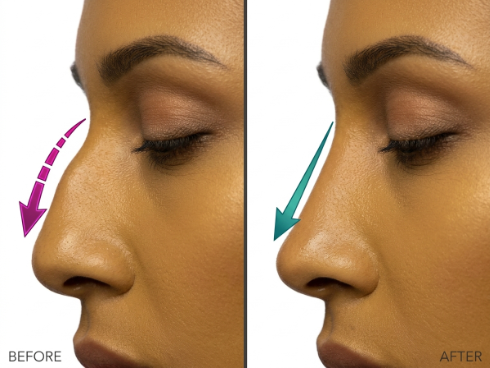
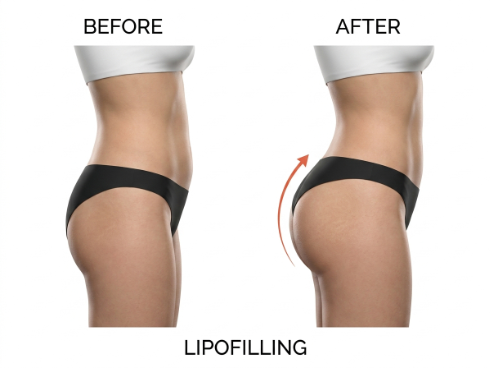
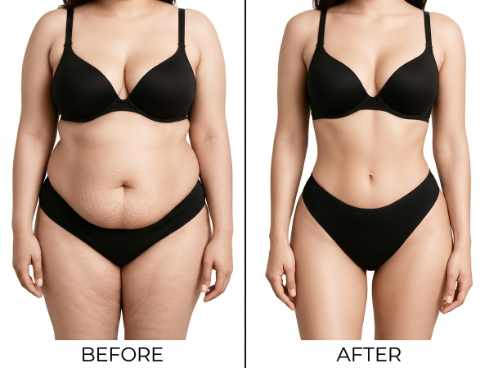
Specialist Plastic Surgeon · EBOPRAS Certified · Dubai UAE
Individualized Surgical Planning
Clinical Focus on Anatomical Symmetry. Dubai UAE
Dr. Bouraoui Kotti is a Specialist Plastic Surgeon (EBOPRAS-certified) with over 20 years of clinical experience. At Seline Clinic Dubai, he provides aesthetic and reconstructive surgery based on international standards.