Breast · Breast Lift and Mastopexy · Dubai
Breast Lift in Dubai Mastopexy
A breast lift, also called mastopexy or a boob lift, raises and reshapes sagging breast tissue. Dr Kotti published the Chignon Mastopexy internal-flap method and performs breast uplift surgery with or without implants when added volume is appropriate. Technique, scars, recovery, risks and breast lift cost require individual assessment.Before & after
Your treatment options
What Is Breast Lift Surgery and Mastopexy?
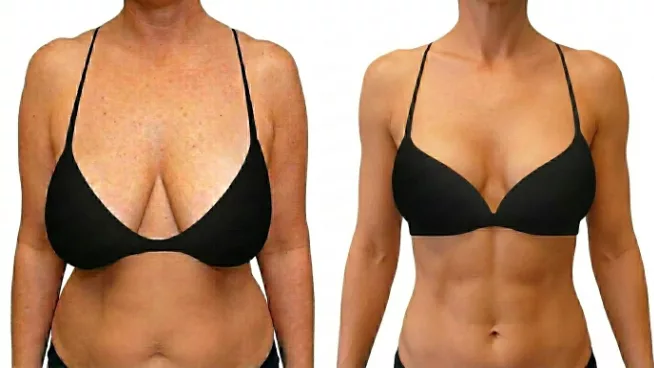
Breast Lift Before and After Results
Review the clinical before-and-after images shown below. Each case is individual; anatomy, treatment planning and healing response influence the result.

EBOPRAS · MD PhD · 20 yrs
Why Choose Dr Bouraoui Kotti for Breast Lift Surgery?
Every procedure on this page is performed by Dr. Bouraoui Kotti — EBOPRAS-certified plastic surgeon, MD PhD, with over 20 years of international experience. Review his credentials, training, and clinical philosophy before your consultation.
- Board
- EBOPRAS
- Degree
- MD PhD
- Clinic
- Jumeirah


Your goals. A plan shaped around you.
Your next steps
From your first consultation through treatment and follow-up, here is what to expect at every stage.
- 01
Initial Consultation
A thorough physical assessment and treatment planning session to align your expectations with anatomical possibilities.
- 02
Personalized Treatment Plan
Your clinician recommends a tailored approach based on your goals, anatomy, medical profile, and the treatment options appropriate for you.
- 03
Your Treatment
Your planned surgical or non-surgical treatment is carried out with a focus on safety, precision, comfort, and natural-looking outcomes.
- 04
Aftercare and Follow-Up
You receive personalized aftercare guidance and follow-up appointments to monitor progress. Timelines vary with the treatment and individual response.
Treatment & recovery
Explore the approach, suitability and recovery information for this treatment. Your consultation puts these details in the context of your own goals and medical history.
What Can a Breast Lift Change?
A lift can raise a low nipple-areola position, remove stretched skin and improve a flattened or elongated contour. Pregnancy, breastfeeding, weight loss, ageing and inherited tissue characteristics can all contribute to sagging breast tissue. Surgery aims to improve proportion and position; it cannot create perfect symmetry or stop future ageing, pregnancy or weight change from affecting the breast.
What Is the 45-55 Breast Rule?
The 45:55 proportion describes the upper and lower portions of the visible breast profile relative to nipple level: approximately 45% above and 55% below. It is an aesthetic reference reported in Mallucci and Branford's study of breast proportions, not a cup-size formula or a measure of breast health.
The study examined selected model photographs, so this reference should not be treated as a requirement for every body. Natural proportions and personal preferences vary. Breast lift planning considers your anatomy, nipple position, tissue quality, scars and goals; surgery cannot promise an exact ratio.
Lift Alone, Added Volume or Reduction?
The most useful early decision is whether the patient wants elevation only, elevation with more fullness through breast augmentation in Dubai, or a smaller and lighter breast through breast reduction in Dubai. These are related but different operations.
For a decision-focused explanation of when volume, position or both need treatment, read the breast lift vs implants guide.
| Plan | Best suited to | Important consideration |
|---|---|---|
| Lift alone | Adequate existing volume with loose skin or a low nipple | Reshapes but does not substantially enlarge the breast |
| Lift with implant or fat transfer | Ptosis plus a wish for additional upper-pole or overall fullness | Adds implant- or graft-specific risks and may sometimes be staged |
| Reduction with lift | Ptosis combined with excessive volume, weight or discomfort | Removes a planned amount of tissue as well as skin |
How Is Mastopexy Planned and Performed?
Consultation covers goals, medical history, medicines, smoking, prior breast surgery, relevant imaging and future pregnancy or breastfeeding plans. Examination records breast volume, skin elasticity, asymmetry, nipple position and the breast fold. On the day of surgery, markings are normally made while the patient is standing. Under anaesthesia, excess skin is removed, the tissue is reshaped and the nipple-areola complex is repositioned while remaining attached to a blood and nerve supply whenever the chosen technique allows.
Dr Kotti's published Chignon method uses two glandular flaps to create internal central projection from existing tissue. It is one possible breast reshaping method, not a universal choice; the suitable internal technique depends on anatomy and the planned skin excision.
Incision Patterns and Breast Lift Scars
A periareolar incision circles the areola and is generally reserved for limited skin excess. A vertical or “lollipop” pattern adds a line from the areola to the fold. An inverted-T or anchor pattern adds a scar within the breast fold and permits a larger skin adjustment. Shorter is not automatically better: the pattern must provide enough access and skin removal for a stable shape. Scars are permanent, although they usually soften and change colour as they mature.
Who May Be a Suitable Candidate?
Assessment may be appropriate when the nipple has descended, the skin envelope is stretched or the breast has lost shape after pregnancy, weight change or ageing. Candidates should be medically fit for elective surgery, have realistic expectations and ideally be at a stable weight. Surgery is deferred during pregnancy and breastfeeding. A later pregnancy or major weight fluctuation may change the result.
Preparing for Surgery
Preparation is individualized and may include blood tests, breast imaging when indicated, medication review, smoking and nicotine cessation, and arrangements for transport and help at home. Do not stop prescribed medicines or supplements without instructions from the treating clinician. The written plan should explain the incision pattern, whether volume is added or removed, anaesthesia, facility, follow-up and what to do if a concern develops.
Recovery and Results
Early swelling, bruising, tightness and tenderness are expected. Dressings and a supportive surgical bra may be advised, and lifting or upper-body exercise is restricted until healing is reviewed. Many patients can resume light routines within one to two weeks, but work and exercise timing depends on the operation and the individual's recovery. The contour continues to settle over several months.
Breast Lift Before and After: What to Compare
Look for similar starting anatomy, the same procedure combination and a stated follow-up interval. Review nipple position, contour and scar placement from consistent views. Confirm whether implants, fat transfer or a reduction were included, since these affect what a lift alone can achieve.
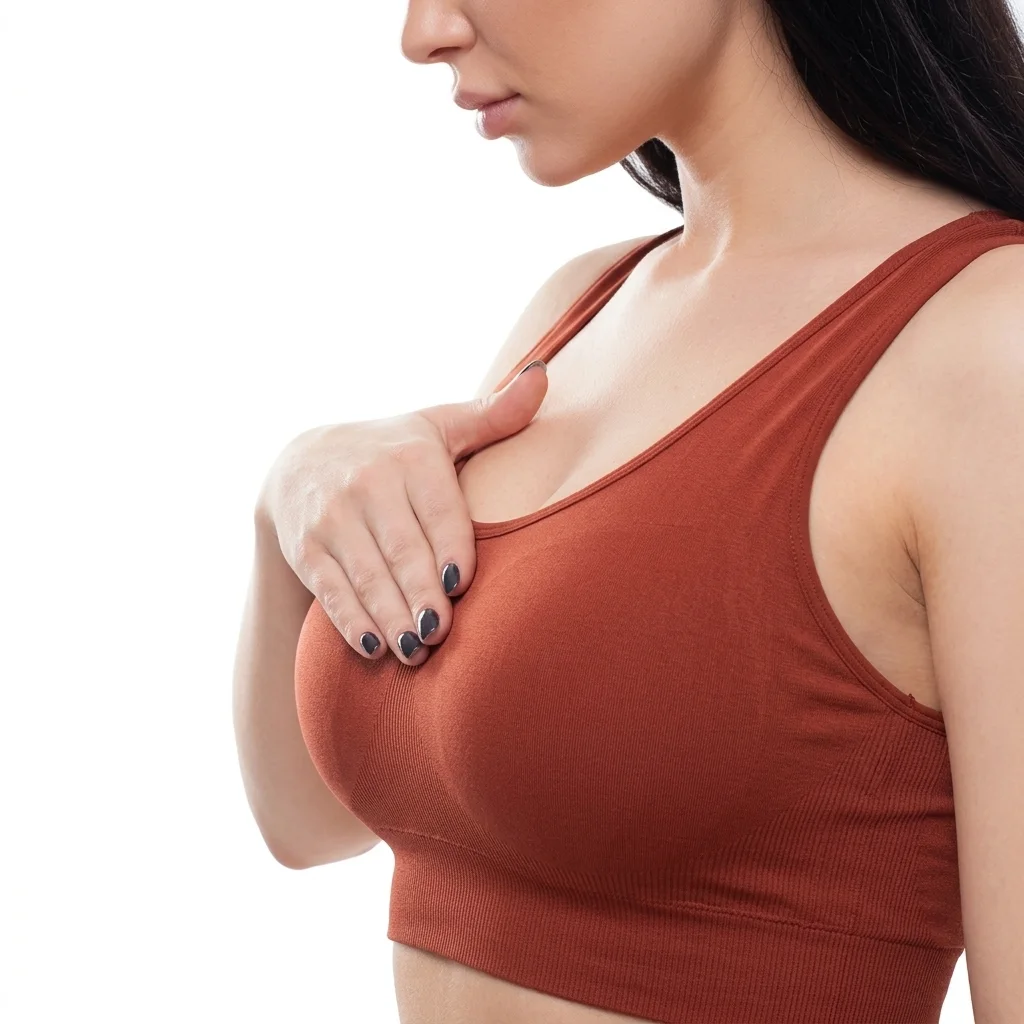
Breast lift before and after photographs are useful for understanding scar patterns and proportional change, but another patient's result cannot predict an individual outcome. See the clinical gallery; the main image on this page is an educational illustration.
Is a Breast Lift a Risky Surgery?
A breast lift carries surgical and anaesthetic risks. Your health, nicotine use, previous breast surgery and the extent of the planned operation influence individual risk. The ASPS breast lift safety guide outlines complications to discuss during informed consent.
Risks include bleeding, infection, delayed wound healing, visible or widened scars, asymmetry, changes in nipple or breast sensation, fat necrosis, partial or complete loss of nipple-areola tissue, altered breastfeeding ability, anaesthetic complications and revision surgery. Smoking and nicotine increase wound-healing risk. A lift cannot guarantee a cup size, perfect symmetry or permanent resistance to ageing.
Breast Lifting Without Surgery: What Are the Limits?
A “non surgical breast lift” in Dubai may refer to skin-tightening devices, threads or injectable treatments. These approaches should not be assumed to provide the tissue reshaping, excess-skin removal or nipple repositioning of mastopexy. Ask which anatomical change a proposed treatment can realistically achieve, what evidence supports it, how long the effect may last and what risks it carries.
The Australian Society of Plastic Surgeons breast lift guide describes surgery as reshaping the breast through skin removal. When substantial skin excess or a low nipple is the concern, discuss the limitations of nonsurgical options and the option of having no treatment. A breast lift without implants is still surgery.
Breast Lift Surgery Cost in Dubai
The cost depends on the surgical technique required, the complexity of the individual case, anaesthesia, facility standards, and whether procedures are combined. An accurate assessment requires an individual clinical evaluation.
Ask whether the quotation is for a lift alone or includes augmentation or reduction. Confirm the surgeon, anaesthesia, operating facility, tests, support garments and follow-up components, and how additional treatment would be charged. Compare written plans with the same scope of care.
Which Country Is Best for Breast Lifts?
No country is best for every patient. Compare the individual surgeon's mastopexy experience, proposed technique and scar pattern, operating facility, anaesthesia support and follow-up. If travelling, agree how long you should remain near the surgical team, when travel is medically appropriate and who will manage wound checks after you return home. The ASPS guidance on travelling for surgery highlights these continuity-of-care concerns.
Is Dubai Safe for Plastic Surgery?
Location alone cannot establish safety. For DHA-regulated care, verify professional and facility details through the Dubai Medical Registry. Ask who will operate, who provides anaesthesia, where surgery takes place and how complications will be managed. Discuss individual healing risks and any additional risks from combining a lift with implants or other surgery.
Choosing a Breast Lift Surgeon
Verify Consultant Plastic Surgeon training, an active Dubai licence, procedure-specific experience, the operating facility and anaesthesia arrangements. Ask to see comparable cases, discuss the proposed scars and alternatives, and make sure risks, aftercare and emergency contact arrangements are clear. No “best surgeon” claim replaces this assessment. The plastic and cosmetic surgery in Dubai guide explains how to compare surgeons and clinics across procedures.
Frequently Asked Questions
Breast Lift and Mastopexy FAQs
Clear answers about planning, candidacy, recovery, and safety. An individual consultation is still required for medical advice.
Which country is best for breast lifts?
What is the 45-55 breast rule?
Is a breast lift a risky surgery?
Is Dubai safe for plastic surgery such as a breast lift?
Can I have a breast lift without surgery?
How much does a breast lift cost in Dubai?
What should I compare in breast lift before-and-after photos?
What is Chignon Mastopexy and how does it differ from a traditional breast lift?
Breast Lift and Mastopexy
Find out what is right for you
Bring your questions to a consultation with Dr. Kotti. Discuss suitable options, expected recovery, risks and a personalised treatment estimate before deciding.
Start with a conversation about your goals, suitability and recovery. Treatment is a decision you make after an individual assessment.

