Liposuction vs Tummy Tuck: Which Is Right for You?

Liposuction vs Tummy Tuck: Which Is Right for You?

Quick answer: Liposuction removes localized fat deposits in patients with good skin elasticity. A tummy tuck removes excess skin and tightens separated abdominal muscles — something liposuction cannot do. Many patients benefit from both procedures combined in a single session. The correct choice depends on your individual anatomy and is determined through clinical assessment.

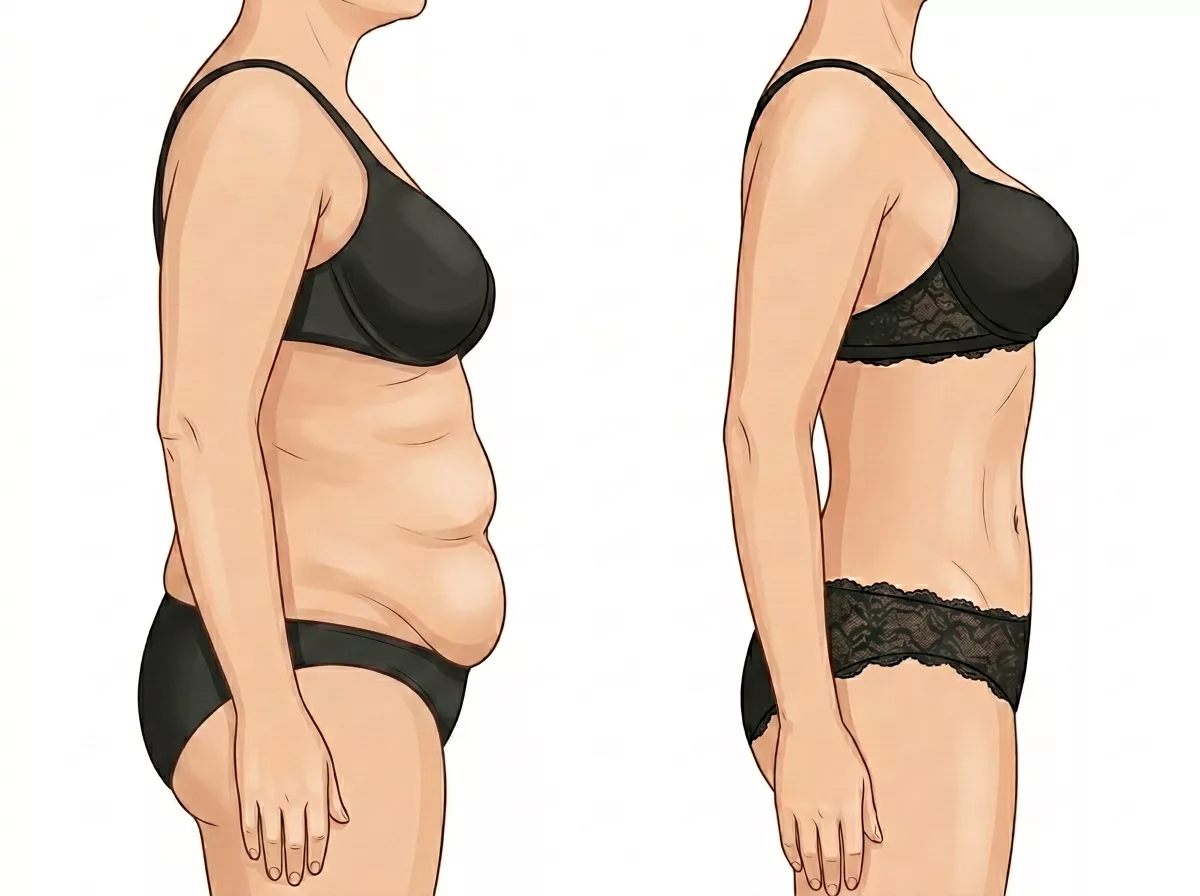
The question of liposuction vs tummy tuck is one of the most common consultations in body contouring surgery in Dubai — and for good reason. Both procedures target the abdomen, yet they solve fundamentally different anatomical problems. Choosing the wrong one produces an incomplete result; choosing the right one, or the right combination, can meaningfully restore abdominal contour.

This guide compares both procedures clinically — covering who each is suited for, what each can and cannot achieve, how recovery differs, and when combining them is the appropriate recommendation.


What Is Liposuction?

Liposuction is a surgical technique that removes subcutaneous fat deposits — the layer of fat just beneath the skin — using a thin hollow tube called a cannula. The cannula is inserted through small incisions and moves in controlled passes to loosen and suction fat out of the treatment area.

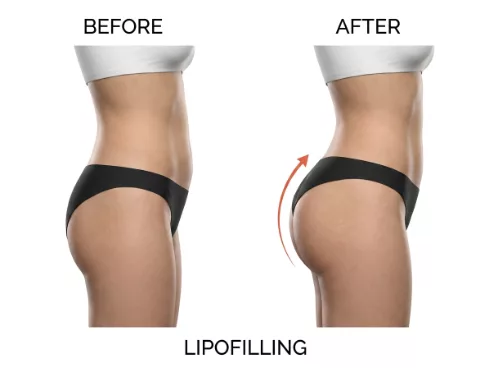
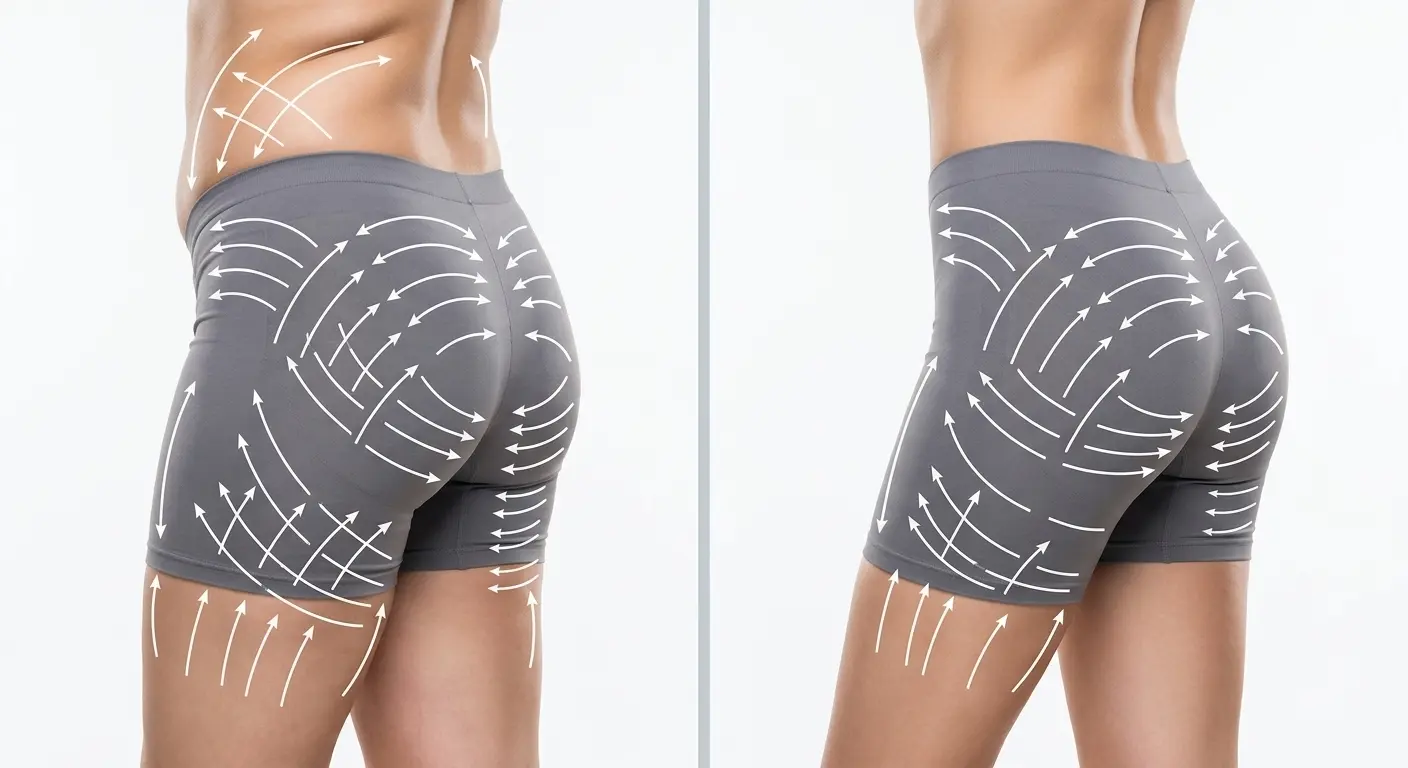
Liposuction is particularly effective for addressing fat deposits in the abdomen, flanks, lower back, hips, thighs, arms, and chin. When applied circumferentially to the torso — the abdomen, flanks, and back in the same session — it is often referred to as Lipo 360, which creates a full-circle contouring effect.

What liposuction can and cannot do

What liposuction achievesWhat liposuction cannot achieve
Removes localized subcutaneous fatDoes not tighten loose or excess skin
Refines contours and reduces volumeDoes not repair separated abdominal muscles (diastasis recti)
Small, discreet incisionsCannot remove hanging or redundant skin panels
Suitable for multiple body areasResults depend on pre-existing skin elasticity

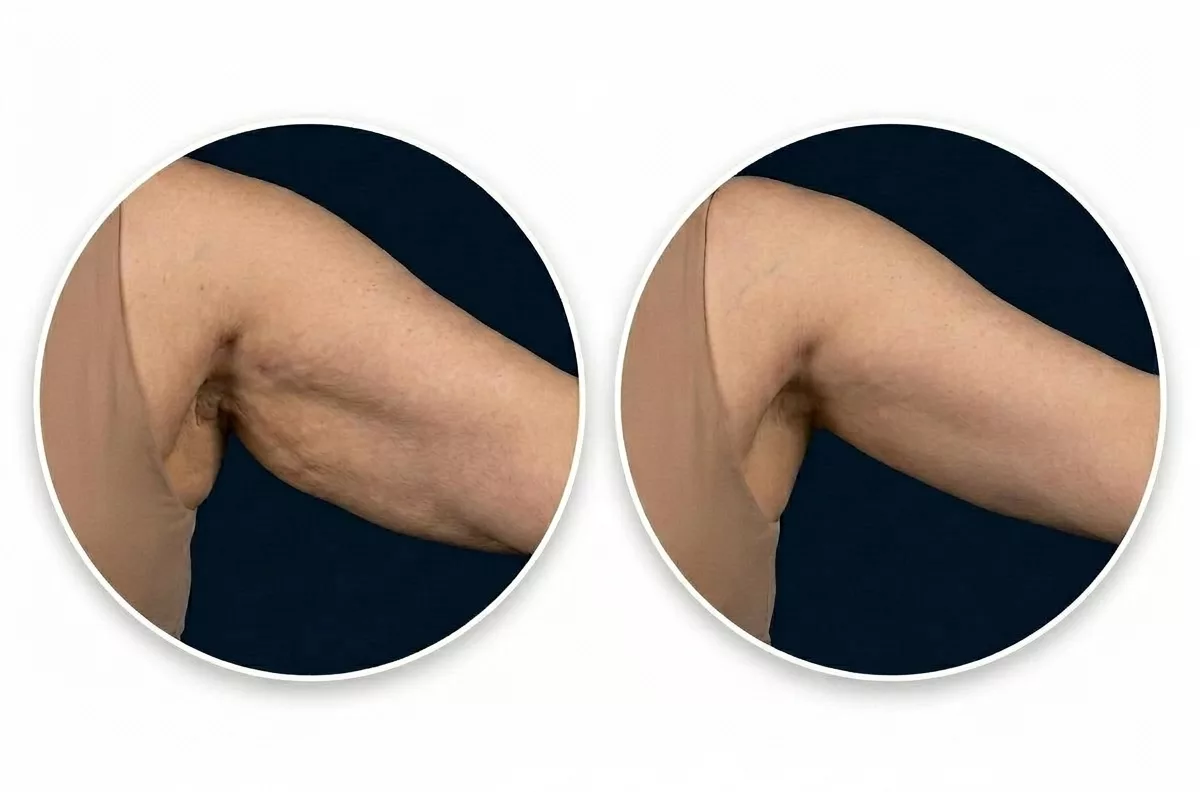
The critical limitation of liposuction is that it does not address skin laxity. Removing fat from beneath skin that lacks elasticity may result in irregularities or a deflated appearance rather than the smooth, tightened contour the patient expected. This is why a thorough anatomical assessment of skin quality before recommending liposuction is essential.


What Is a Tummy Tuck (Abdominoplasty)?

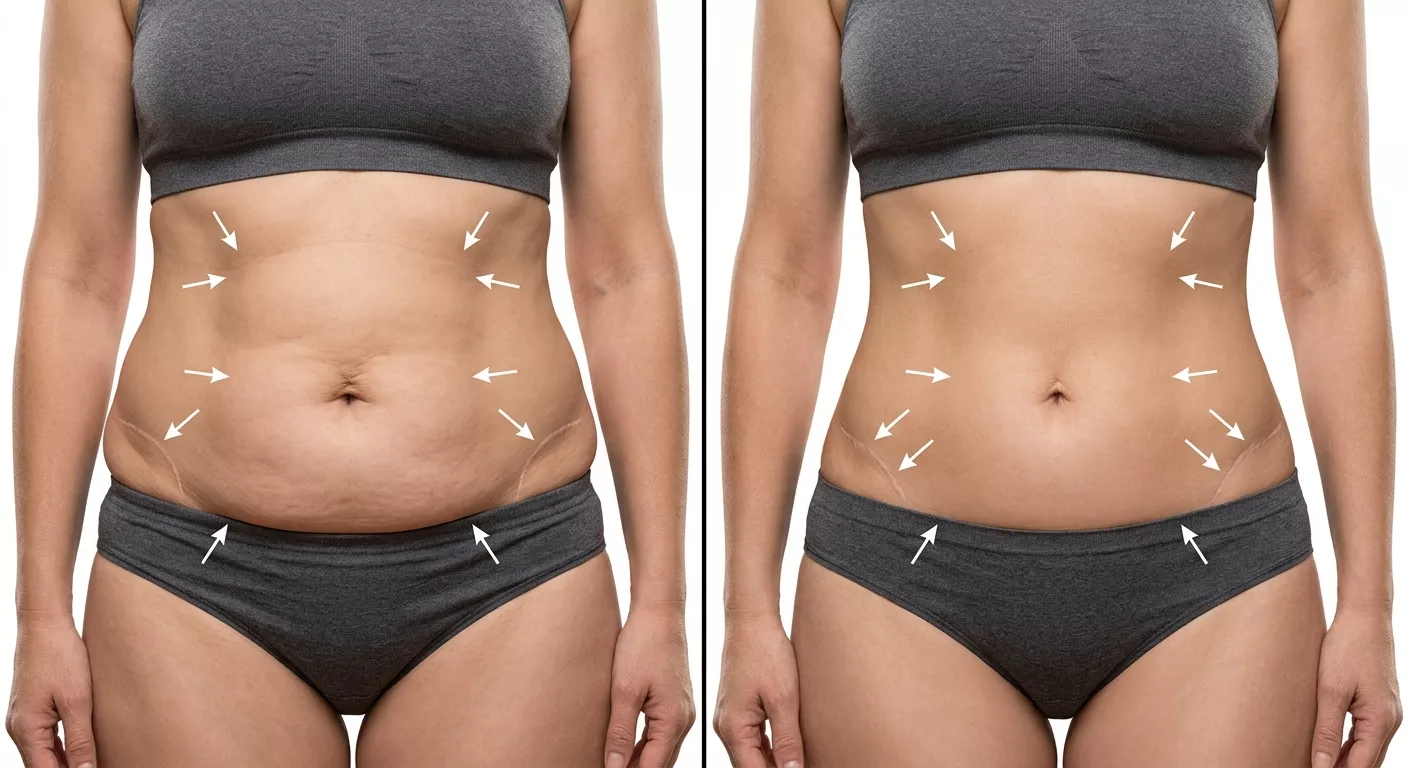
A tummy tuck — clinically known as abdominoplasty — is a surgical procedure that removes excess skin and fat from the abdomen and tightens the underlying abdominal muscles. It addresses structural changes to the abdominal wall that cannot be corrected by fat removal alone.

The procedure involves a horizontal incision, typically running from hip to hip, placed low enough to sit beneath the bikini line or waistband. Through this incision, the surgeon:

  1. Lifts the abdominal skin and fat panel
  2. Excises the excess skin and underlying fat below the navel
  3. Sutures the rectus abdominis muscles together if they have separated — a condition called diastasis recti
  4. Repositions the navel to a natural height
  5. Closes the incision, creating a flatter, tighter abdominal wall

Full vs. mini abdominoplasty

Not all tummy tucks are the same in scope:

  • Mini abdominoplasty — addresses excess skin confined to the lower abdomen only; shorter incision; no navel repositioning; faster recovery. Suited to patients with limited, localized lower abdominal skin laxity.
  • Full abdominoplasty — addresses excess skin across the entire abdominal region; full hip-to-hip incision; navel repositioned; comprehensive muscle tightening. The more common technique for patients following pregnancy or significant weight loss.
  • Extended abdominoplasty — extends laterally onto the flanks for patients with excess skin that wraps around the sides. Often performed as part of a body lift (belt lipectomy) following massive weight loss.

The appropriate technique is determined during consultation based on the extent of excess skin, the degree of muscle separation, and the patient’s anatomical goals.


Liposuction vs Tummy Tuck: Clinical Comparison

LiposuctionTummy Tuck (Abdominoplasty)
Primary goalFat volume reductionSkin removal + muscle repair
Best suited toGood skin elasticity, localized fatExcess/hanging skin, diastasis recti
Addresses muscle separationNoYes
Skin tighteningIndirect (minor)Direct (surgical excision)
Incision / scarMultiple small punctures (~3–5 mm)Hip-to-hip scar (concealable)
AnaesthesiaGeneral or sedation, area-dependentGeneral anaesthesia
Operative time1–3 hours depending on area2–3.5 hours
Return to light activity1–2 weeks2–3 weeks
Return to strenuous activity4–6 weeks6–8 weeks
Compression garment4–6 weeks6 weeks

Who Is a Good Candidate for Liposuction?

Liposuction produces the best outcomes in patients who have:

  • Good skin elasticity — skin that can contract and conform after fat removal without sagging or developing surface irregularities
  • Localized fat deposits — pockets of subcutaneous fat that have not responded to diet and exercise, rather than generalized excess
  • Stable body weight — at or near a healthy, maintained weight for at least 3 months
  • Good general health — no uncontrolled systemic conditions that increase surgical risk

Liposuction is not a treatment for obesity and does not address visceral fat (the deeper fat surrounding internal organs). It is a contouring procedure for patients who are already close to their goal weight but carry anatomically persistent fat deposits.

Patients with loose or excess skin are not good candidates for liposuction alone — fat removal in the presence of skin laxity can worsen the appearance of that skin. In these cases, a tummy tuck, or a combined approach, is the more appropriate recommendation.


Who Is a Good Candidate for a Tummy Tuck?

A tummy tuck is clinically appropriate for patients who have one or more of the following:

  • Excess, hanging abdominal skin — commonly following pregnancy, significant weight loss, or natural ageing. The hanging skin panel (pannus) cannot be tightened by any non-surgical treatment or by liposuction.
  • Diastasis recti — separation of the rectus abdominis muscles that creates a visible midline bulge, often following pregnancy. This is a structural issue only correctable surgically.
  • Combination of fat and loose skin — patients with both excess fat and skin laxity, where liposuction alone would leave loose skin and liposuction alone would leave residual fat

Typical candidacy criteria include being at a stable, healthy body weight, not planning further pregnancies (which can reverse abdominal tightening), being a non-smoker or willing to stop well in advance of surgery, and being in good general health with no uncontrolled conditions.


When Are Both Procedures Combined?

For many patients, the answer to “liposuction or tummy tuck” is not one or the other — it is both, performed in a single surgical session.

Combined abdominoplasty with liposuction is appropriate when a patient presents with:

  • Excess skin and skin laxity requiring surgical excision (indicating tummy tuck)
  • Localized fat deposits on the flanks, lower back, or lateral abdomen that the tummy tuck incision alone does not fully address (indicating complementary liposuction)

Performing both procedures simultaneously reduces total anaesthesia exposure and eliminates the need for a second recovery period. Liposuction is typically performed at the flanks and adjacent areas during the same session, enhancing the overall waist definition beyond what the tummy tuck alone achieves.

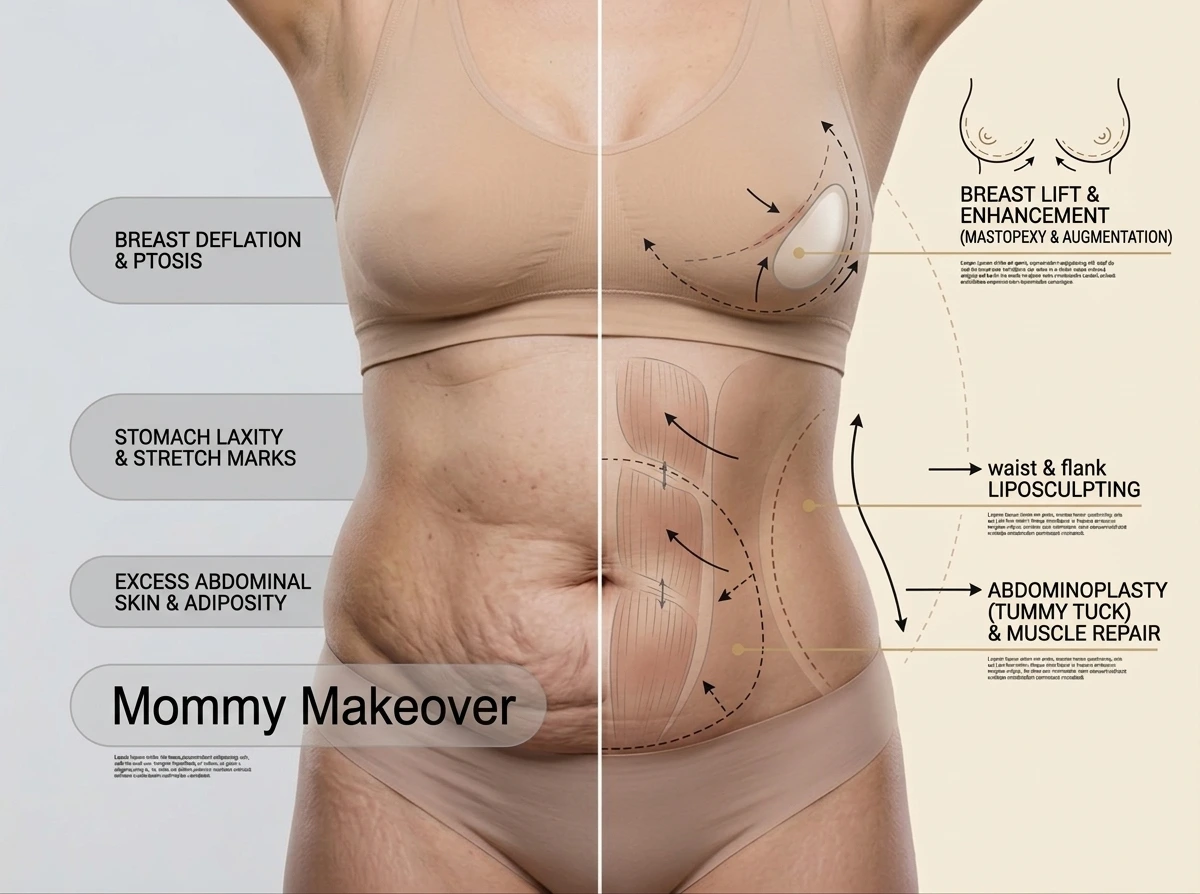
Patients exploring broader body contouring — for example, following pregnancy or significant weight loss — may also discuss mommy makeover options during consultation, which can combine abdominal, breast, and other procedures.


How Does Recovery Compare?

Recovery from liposuction is generally shorter and less restrictive than recovery from a tummy tuck, which reflects the difference in operative scope.

Liposuction recovery timeline

  • Days 1–3: Rest, swelling, bruising, and soreness; compression garment worn continuously
  • Days 4–7: Most patients mobile; light daily activity possible; discomfort reduces
  • Weeks 2–3: Return to desk work; swelling continues to reduce
  • Weeks 4–6: Return to exercise (light); compression garment worn for comfort
  • Months 2–3: Final contour becomes visible as residual swelling resolves

Tummy tuck recovery timeline

  • Days 1–3: Rest in a slightly flexed position to reduce tension on the incision; drains may be in place
  • Days 4–10: Increasing mobility; drain removal (if applicable); light activity in the home
  • Weeks 2–3: Return to light desk work; walking encouraged; bending and heavy lifting restricted
  • Weeks 4–6: Compression garment worn; progressive return to daily activities
  • Weeks 6–8: Clearance for most exercise; scar healing continues
  • Months 3–12: Continued scar maturation; final result emerges

Scarring: What to Expect

Scarring is one of the most practical considerations in the liposuction vs tummy tuck decision.

Liposuction scars are minimal — the cannula incisions are typically 3–5 mm and are placed in discreet locations where possible. They generally fade to barely visible over months.

A tummy tuck requires a more significant incision. The standard full abdominoplasty scar runs horizontally across the lower abdomen, typically from hip to hip. The scar is placed carefully so that it sits below the bikini line and can be concealed by underwear or swimwear in the majority of patients. Scar appearance continues to improve over 12–24 months, and scar management is part of post-operative care.

The presence of a longer scar does not make a tummy tuck inferior — it is the cost of addressing a structural problem (excess skin) that cannot be corrected any other way. Patients who need a tummy tuck but choose liposuction to avoid the scar typically end up with loose skin and an unsatisfactory result, sometimes requiring a tummy tuck subsequently.


What Is Lipo 360, and Where Does It Fit?

Lipo 360 describes circumferential liposuction of the torso — treating the abdomen, flanks, and back in a single session. The name refers to the 360-degree treatment of the midsection to produce a more complete contouring effect than treating only one area.

Lipo 360 is a liposuction technique. It does not include skin excision or muscle repair. It is suited to patients who have good skin elasticity across all treated areas and excess subcutaneous fat distributed around the full circumference of the torso.

For patients with excess skin or diastasis recti, Lipo 360 alone is not a substitute for abdominoplasty. It can, however, be combined with a tummy tuck for patients who have anterior skin laxity requiring excision alongside lateral and posterior fat deposits requiring liposuction.

For an individual assessment of whether liposuction, abdominoplasty, or a combined approach is appropriate for your anatomy, consult a board-certified plastic surgeon for an individual clinical evaluation.

Frequently Asked Questions

Which is better, a tummy tuck or liposuction?

Neither is objectively better — each addresses a different anatomical problem. Liposuction removes localized fat deposits in patients with good skin elasticity. A tummy tuck removes excess, loose skin and repairs separated abdominal muscles. Patients with both concerns often benefit from a combined procedure. The appropriate choice is determined through individual clinical assessment, not a general rule.

What is the difference between liposuction and a tummy tuck?

Liposuction targets subcutaneous fat deposits using a thin cannula; it does not tighten skin or repair muscles. A tummy tuck (abdominoplasty) surgically removes excess skin, excises underlying fat, and sutures weakened or separated abdominal muscles together. A tummy tuck is a more extensive operation with a longer scar and longer recovery.

Which is more painful, a tummy tuck or liposuction?

Both procedures are performed under anaesthesia, so there is no pain during surgery. Post-operatively, a tummy tuck involves more discomfort because it addresses multiple tissue layers including muscle. Liposuction recovery tends to involve soreness rather than significant pain. In both cases, discomfort is managed with prescribed medication and is temporary.

What is the safest procedure to remove belly fat?

Both liposuction and abdominoplasty are established, well-studied procedures when performed by a board-certified plastic surgeon. Safety is determined primarily by patient selection, surgical technique, and facility standards — not by the procedure type alone. All risks are reviewed in full during pre-operative consultation.

Can liposuction and a tummy tuck be done at the same time?

Yes. Combined abdominoplasty with liposuction is a common approach for patients who have both excess skin and localized fat deposits. Performing the procedures in a single session reduces overall anaesthesia exposure and recovery time compared to staging them separately. Suitability is assessed individually.

How long is recovery after liposuction?

Liposuction recovery typically involves 1–2 days of rest immediately after the procedure, with most patients returning to light activity within a week. Full recovery and resolution of swelling typically takes 4–6 weeks, though compression garments are usually worn for 4–6 weeks. Individual recovery depends on the area treated and volume removed.

How long is recovery after a tummy tuck?

A tummy tuck requires more recovery time than liposuction. Patients typically need 2 weeks off work, with strenuous activity avoided for 6–8 weeks. Compression support is worn for 6 weeks. Scar maturation continues over 12–18 months. Individual timelines vary based on procedure extent and the patient's overall health.

Does liposuction leave scars?

Liposuction uses small incisions (typically 3–5 mm) that leave minimal scarring — often barely visible once healed. A tummy tuck requires a longer horizontal incision, usually running from hip to hip, resulting in a more visible scar. The tummy tuck scar is placed low enough to be concealed by underwear or a swimsuit in most patients.

Is liposuction or tummy tuck better for post-pregnancy body contouring?

Post-pregnancy patients often have a combination of excess skin, fat, and diastasis recti (abdominal muscle separation). Liposuction alone cannot address skin laxity or muscle separation. A tummy tuck — sometimes combined with liposuction — is usually the more comprehensive option for post-pregnancy abdominal contouring. Individual anatomy determines the appropriate approach.

What is Lipo 360 and how does it differ from a tummy tuck?

Lipo 360 refers to circumferential liposuction of the torso — treating the abdomen, flanks, and back in a single session to create a 360-degree contouring effect. It is a liposuction technique, not a skin removal or muscle repair procedure. A tummy tuck focuses on the anterior abdomen and performs skin excision and muscle repair that Lipo 360 cannot achieve.

How much does liposuction cost?

Liposuction costs depend on the number of areas treated, the volume of fat removed, the technique used, facility standards, and the surgeon's qualifications. An accurate cost can only be provided following an individual clinical evaluation. Surgeon board certification and facility accreditation are the primary selection criteria — cost follows from those decisions.

How much does a tummy tuck cost?

Tummy tuck costs depend on the technique required (mini, full, or extended), complexity of the case, whether liposuction is combined, facility standards, and surgeon qualifications. An individual clinical consultation is required for an accurate assessment. Prioritising a board-certified specialist plastic surgeon protects both safety and outcome quality.

Menu