
BBL Recovery Guide: Sitting, Sleeping, Safety and Results
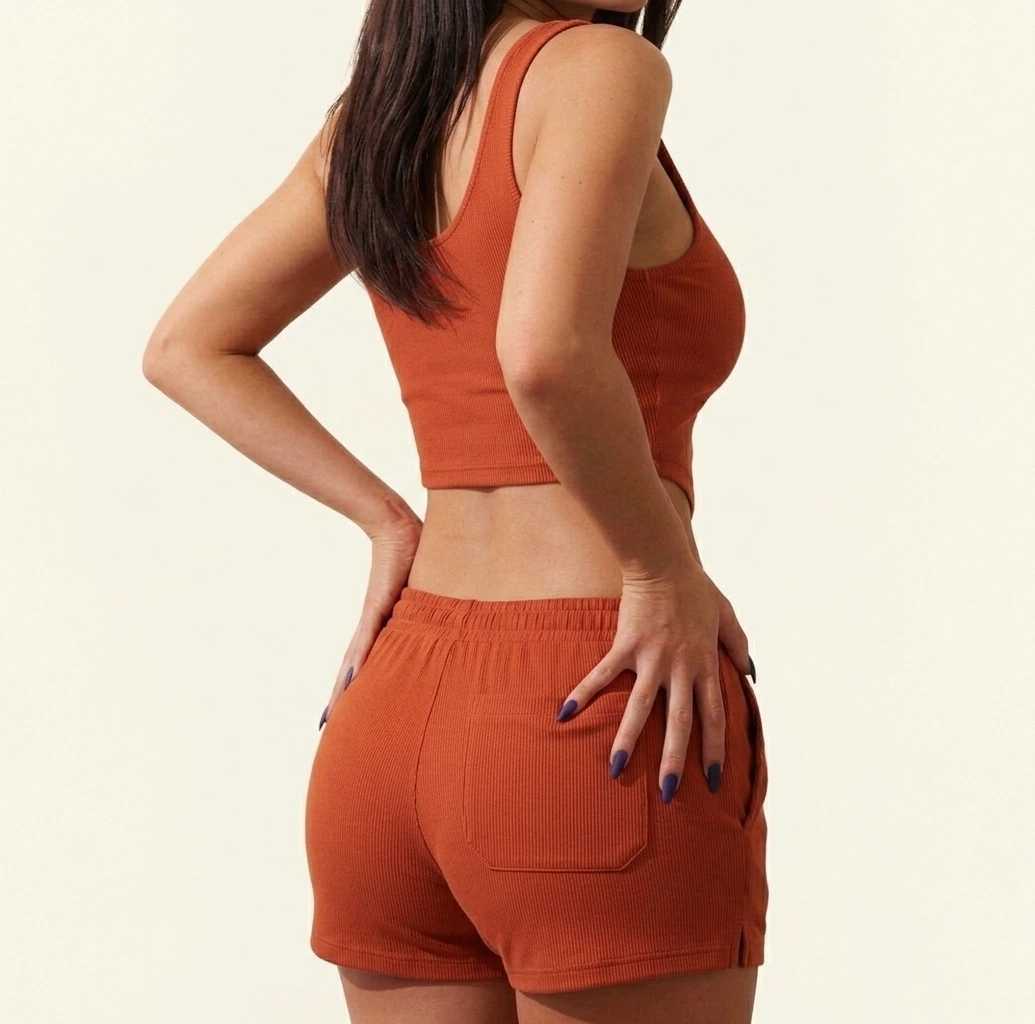
BBL recovery involves healing at both liposuction donor sites and areas where fat was transferred. A care plan covers walking, wound care, garments, sleep and pressure. Sitting, work, exercise and travel depend on the operation and surgeon’s instructions. Breathlessness, chest pain or fever needs prompt medical assessment.
This guide covers aftercare for both donor areas and grafted tissue without relying on a generic day-by-day timetable. For the abbreviation’s surgical, slang and skincare definitions, read the BBL meaning guide: What does BBL mean?. For candidacy and procedure planning, use the Brazilian Butt Lift in Dubai page.
What Does BBL Recovery Involve?
A recovery plan should address several goals at the same time:
- Support safe early mobility. Short, regular walking may help circulation and reduce immobility, subject to the surgical team’s instructions.
- Protect the grafted area. Positioning guidance aims to limit prolonged direct pressure while transferred fat establishes a blood supply.
- Care for donor sites. Liposuction areas may be swollen, bruised, tender or temporarily numb and may require compression.
- Monitor wounds and general health. Patients need written instructions for dressings, medication, hygiene, follow-up and warning signs.
- Return to activity progressively. Work, driving, exercise, travel and unrestricted sitting require individual clearance.
Recovery is not simply a countdown. A patient may feel more mobile while swelling is still present, or have comfortable grafted areas while donor sites remain tender. Progress should be judged clinically rather than by comparing one symptom or photograph with another person’s social-media timeline.
What Is a Realistic BBL Recovery Time and Timeline?
BBL recovery time varies because the operation creates liposuction donor sites as well as fat-grafted areas. The BBL healing process is therefore assessed in phases rather than by one guaranteed completion date. The following phases describe common recovery priorities, not guaranteed deadlines.
| Recovery phase | Common priorities | What remains individual |
|---|---|---|
| Immediate postoperative period | Monitoring, pain and nausea control, short assisted walks, dressings and positioning | Discharge timing, medication and level of assistance |
| Early home recovery | Wound care, hydration, nutrition, compression if prescribed and avoiding prolonged direct pressure | Sitting method, sleeping position and time away from work |
| Progressive activity | Longer walks, improved daily independence and follow-up review | Driving, travel and return to non-strenuous work |
| Later healing | Gradual exercise, settling swelling and assessment of retained contour | Unrestricted activity and when results are considered stable |
The first days
Swelling, bruising, tightness, fatigue and fluid drainage from small liposuction openings may occur. Patients should use only the medicines, dressings and garments approved by their surgical team. Short walks are commonly encouraged, but dizziness or weakness can make assistance necessary.
The discharge plan should state whom to contact, when follow-up occurs, how to position the body and which symptoms require urgent care. It should also account for stairs, children, pets and practical help at home.
The early weeks
Mobility generally improves, but donor areas can remain swollen, firm, sensitive or uneven. Compression instructions vary. A garment that folds, rolls or creates excessive localized pressure should be reviewed rather than improvised.
Direct sitting and strenuous activity may remain restricted. Return to desk work is not determined only by pain; commuting, the length of the workday, access to breaks and the ability to maintain approved positioning also matter.
Later recovery
Exercise and unrestricted daily activity are reintroduced progressively after clinical review. Swelling can fluctuate with activity and may not resolve uniformly. The visible contour continues to evolve as donor-site swelling decreases and a portion of transferred fat is resorbed.
When Can You Sit After a BBL?
There is no safe universal date that applies to every operation. The American Society of Plastic Surgeons notes that prolonged sitting is commonly restricted during early recovery, while specific duration and technique vary by surgeon.
If a positioning cushion is approved, it is generally intended to shift load toward the thighs rather than place pressure directly under the grafted buttocks. A cushion does not automatically make unlimited sitting appropriate. Its position should be demonstrated by the treating team.
Practical situations to discuss before surgery include:
- the journey home from the facility;
- toilet use;
- eating and working at a table;
- getting into and out of a car;
- driving and emergency braking;
- flights or long-distance road travel;
- the amount of sitting required for work.
Can I sit to use the toilet after a BBL?
Necessary brief toilet use is generally planned for. The surgical team may teach a modified position and advise limiting time under direct pressure. Avoiding bowel movements is neither realistic nor healthy.
Constipation can follow anaesthesia, reduced activity, dehydration and some pain medicines. Discuss hydration, diet and any approved bowel regimen before discharge. Severe abdominal symptoms, persistent vomiting or an inability to pass stool with worsening discomfort needs clinical advice.
How Should You Sleep After a BBL?
Patients are often advised to avoid sleeping directly on the grafted buttocks during early healing, but one position does not suit every case. Abdominal sleeping may be unsuitable after a combined abdominal procedure, while prolonged side sleeping can place pressure on grafted hip areas.
The approved position depends on where fat was placed, which areas were treated by liposuction and whether another operation was performed. Pillows or supports should keep the body stable without creating a pressure point or fall risk.
Before discharge, ask the surgical team to demonstrate:
- how to get into and out of bed;
- the approved sleeping position;
- where supports should be placed;
- what to do if the position causes numbness, pain or breathing difficulty.
How Are Compression Garments and Wounds Managed?
Compression is generally directed at liposuction donor areas rather than used to crush the grafted buttocks. Garment type, fit and duration vary with the operative plan. More compression is not necessarily better: excessive pressure, creasing or rolled edges can irritate skin and create contour marks.
Small liposuction incisions may release fluid early in recovery. Dressings should be changed only according to the provided instructions. Do not apply fragrance, unapproved antiseptics, powders or home remedies to an incision.
Showering instructions depend on wound closure, dressings and drains. Bathing, swimming, steam rooms and similar immersion are normally separate decisions because they can expose healing wounds to moisture or contamination.
Is BBL Leakage Normal?
“BBL leakage” is an informal phrase, not a diagnosis. It often describes early fluid from liposuction openings or a surgical drain. Its amount and appearance depend on the operation and the surgeon’s closure and drainage plan.
Contact the surgical team promptly if drainage:
- increases rather than decreases;
- becomes thick, cloudy, yellow, green or foul-smelling;
- appears unusually oily or occurs with wound opening;
- becomes significantly bloody;
- occurs with worsening pain, redness, heat, fever or feeling unwell.
MedlinePlus surgical-wound guidance includes bad-smelling drainage among signs that require contact with the treating clinician.
Does a BBL Smell During Recovery?
A healed Brazilian Butt Lift should not produce a characteristic smell. During early recovery, temporary odour can come from perspiration, compression garments, dressings or wound fluid. Limited movement can make hygiene more difficult.
A strong or foul smell coming from an incision is different from ordinary garment or skin odour. When accompanied by increasing pain, heat, spreading redness, pus, wound separation or fever, it can indicate a complication and needs prompt assessment. Do not mask a new wound odour with fragrance or rely on online advice to diagnose it.
When Can You Walk, Drive, Work and Exercise?
Gentle walking is commonly introduced early, subject to stability and medical instructions. Strenuous activity, heavy lifting, lower-body training and high-impact exercise are added later and progressively.
Driving requires more than being able to sit. A patient must be off impairing medication, able to enter and exit the vehicle, tolerate the approved position, turn to check surroundings and brake suddenly without hesitation. Insurance or local rules may add requirements.
Return to work depends on physical demands and logistics. Remote work may still involve prolonged sitting; a standing role may involve fatigue; manual work may involve lifting or friction from garments. The surgical team should assess the actual tasks rather than only the job title.
When Is It Safe to Travel After a BBL?
Travel planning should occur before surgery, particularly for international patients. Long journeys combine sitting pressure, reduced mobility, dehydration, luggage handling and limited access to the operating team.
The plan should cover:
- medical clearance for the intended travel date;
- positioning during the journey;
- regular movement where safe;
- medication and garment management;
- access to follow-up at the destination;
- what to do if symptoms develop in transit;
- whether travel insurance covers recent elective surgery.
An airline allowing travel does not mean the surgeon considers it medically appropriate. A fixed online “fly after” rule cannot replace individual review.
What Warning Signs Need Urgent Attention?
“BBL symptoms” is an imprecise search phrase. Expected postoperative effects can include swelling, bruising, tenderness and temporary drainage, while new or worsening systemic symptoms may indicate a complication and require assessment.
Seek urgent medical care for breathlessness, chest pain, fainting, confusion, coughing blood, severe weakness, blue or grey lips, or one-sided leg swelling. These symptoms should not wait for a routine clinic reply.
Contact the surgical team promptly for:
- fever or feeling progressively unwell;
- worsening rather than improving pain;
- spreading redness, heat or marked swelling;
- foul-smelling or pus-like drainage;
- wound opening, skin blistering or darkening;
- persistent vomiting or inability to take fluids;
- a sudden or concerning change in one buttock or donor area.
This list is not exhaustive. Patients should follow the emergency thresholds and contact instructions supplied at discharge.
When Do Swelling and BBL Results Settle?
Early postoperative appearance is not the final result. Swelling, bruising, compression marks, posture and temporary asymmetry can alter what the body looks like. Some transferred fat does not establish a lasting blood supply and is resorbed during healing.
People searching for “lipo and BBL before and after” photographs should compare standardized views only after considering the starting anatomy, donor areas treated, procedure scope, posture, lighting and healing stage. A photograph cannot predict another patient’s outcome.
The portion that establishes a blood supply may remain long term and behave like fat elsewhere in the body. There is no responsible universal retention percentage or exact date when every result becomes final. Follow-up photography is most useful when lighting, posture, distance and healing stage are consistent.
Long-term contour can continue to change with:
- weight gain or loss;
- pregnancy;
- ageing and skin elasticity;
- changes in muscle mass;
- later liposuction or surgery.
Surviving transferred fat may still be present after 10 years, but there is no standard 10-year or 20-year appearance. A broadly stable weight may help preserve proportions, while the skin and supporting tissues continue to age naturally.
BBL Recovery Checklist
Before leaving the surgical facility, confirm that you have:
- written medication and wound-care instructions;
- a demonstrated sitting and sleeping plan;
- guidance for garments, showering and drains if used;
- activity, driving, work and travel restrictions;
- follow-up dates and a reliable contact route;
- clear emergency symptoms and where to seek urgent help;
- practical assistance arranged for the early recovery period.
Key Recovery Takeaways
- BBL recovery includes both liposuction donor sites and fat-grafted buttocks.
- Sitting, sleeping and garment instructions must match the individual operation.
- Brief toilet use is planned for, while prolonged direct pressure may be restricted.
- Early fluid drainage can occur, but worsening, foul or unusual drainage requires advice.
- Return to work, driving, exercise and travel needs clinical clearance, not a generic date.
- Early swelling and graft resorption mean postoperative appearance changes over time.
- Breathlessness, chest pain, fainting and other emergency symptoms require urgent medical care.
Medical disclaimer: This article provides general education and does not replace examination, diagnosis, discharge instructions or individualized medical advice. Recovery and outcomes vary. Seek urgent medical attention for emergency symptoms and contact the treating surgical team for postoperative concerns.
Frequently Asked Questions
What should I expect during each stage of BBL recovery?
There is no single recovery duration for every patient. Early mobility, wound care and positioning begin immediately, while swelling, donor-site sensitivity and activity restrictions improve progressively. Return to work, exercise, direct sitting and travel should follow the operating surgeon's individual protocol.
When can I sit after a BBL?
The timing and method of sitting depend on the operation and the surgeon's protocol. Direct, prolonged pressure is commonly restricted during early healing. Necessary brief sitting may be modified to shift pressure toward the thighs, but the treating team must demonstrate the approved position.
Can I sit to use the toilet after a BBL?
Necessary brief toilet use is generally accommodated, but exact positioning must come from the operating surgeon. Patients may be taught to limit time and shift pressure toward the thighs. Constipation prevention should also be discussed before discharge.
How should I sleep after a BBL?
Sleeping position depends on the areas treated and the individual plan. Patients are often asked to avoid direct pressure on the grafted buttocks, but abdominal or side sleeping may not suit every operation. Follow the positioning method demonstrated by the surgical team.
What is BBL leakage?
People often use “BBL leakage” for early fluid draining from small liposuction openings or a surgical drain. Increasing, thick, yellow, green, unusually oily, bloody or foul-smelling discharge—or drainage with worsening pain, redness, heat or fever—requires prompt clinical advice.
Does a BBL smell during recovery?
A healed Brazilian Butt Lift should not create a characteristic smell. Garments, perspiration or wound fluid can cause temporary odour during early recovery. Foul-smelling drainage, particularly with redness, heat, increasing pain, pus or fever, requires prompt medical assessment.
When can I exercise after a BBL?
Gentle walking is commonly encouraged early, while strenuous activity and exercise are reintroduced progressively after review. Timing depends on healing, the extent of liposuction, other combined procedures and the surgeon's protocol. Do not use a generic online timetable as surgical clearance.
When are BBL results final?
Early appearance is affected by swelling and temporary volume changes. Some transferred fat does not establish a lasting blood supply and is resorbed. The contour becomes more representative as swelling settles and retained fat stabilizes, but the operating surgeon should define when an individual result can be assessed.
Popular Procedures
Specialties
Related Clinical Articles
8 Things You Should Know About A Tummy Tuck for Men
Considering a tummy tuck for men? Learn 8 essential facts about procedure types (mini, full, extended, reverse), male-specific anatomy, drainless technique, recovery timeline, cost factors, warning signs, and the 7 questions to ask your surgeon. Includes comparison tables and FAQ.
Sep 30, 2026
Arm Liposuction Dubai vs Arm Lift: Costs, Scars & Options
Compare arm liposuction in Dubai with brachioplasty: cost per arm, risks, before-and-after photos, long-term results, skin removal, scars and recovery.
Sep 8, 2026
