Medical Clinical Journal Body Contouring

Liposuction Without a Tummy Tuck: A Guide to Stomach Fat Removal
Updated
Tummy tuck vs liposuction medical comparison showing fat removal, excess-skin removal and abdominal-wall repair

Quick answer: You may be able to have liposuction without a tummy tuck when localized fat beneath the skin is the main concern and the skin can retract adequately. Loose skin, a hanging fold or abdominal-wall separation may require a different plan. Liposuction removes selected subcutaneous fat; a tummy tuck removes excess skin and may repair the abdominal wall. Neither removes visceral fat around the organs.

Stomach fat removal, tummy fat removal and abdominal fat removal often describe the same concern: fullness around the waist or lower abdomen. People also call abdominal liposuction tummy lipo or lipo stomach treatment. These names do not establish which tissue is causing the fullness. The decision begins with four findings: subcutaneous fat, skin elasticity, abdominal-wall integrity and visceral fat. A photograph or self-test cannot reliably measure all four.

Tummy Tuck vs Liposuction of the Abdominal Area

ComparisonLiposuctionTummy tuck (abdominoplasty)
Main tissue treatedSelected subcutaneous fatExcess abdominal skin; selected fat and abdominal-wall laxity may also be addressed
Loose-skin removalNo substantial skin excisionYes
Muscle or fascial repairNoMay be performed when clinically indicated
IncisionsSeveral small cannula-entry incisionsLonger lower-abdominal incision; a full procedure commonly includes a navel incision
Best-fit concernLocalized fat with adequate skin elasticityLoose skin, abdominal-wall laxity or selected post-pregnancy/post-weight-loss changes
Weight-loss treatmentNoNo
Typical recovery burdenUsually shorter, but depends on treatment extentUsually longer because surgery is more extensive
Can they be combined?Yes, in selected plansYes, as lipoabdominoplasty when clinically appropriate

The American Society of Plastic Surgeons’ liposuction guidance explains that liposuction contours localized fat and works best when skin is firm and elastic. Its tummy tuck guidance describes abdominoplasty as removal of excess skin and fat with restoration of weakened or separated muscles in appropriate cases.

How Do You Know Whether You Need Tummy Tuck or Liposuction?

The decision is based on anatomy rather than on which operation sounds less invasive.

1. Is the fullness subcutaneous fat or visceral fat?

Liposuction treats subcutaneous fat—the layer that lies beneath the skin and can be reached with a cannula. It does not remove visceral fat located inside the abdominal cavity around the organs. A firm, projecting abdomen can therefore remain even after subcutaneous fat removal if visceral fat is a major contributor.

Neither liposuction nor tummy tuck is a substitute for weight management or treatment of obesity. The liposuction procedure page explains treatment areas, candidacy, limitations and risks in more detail.

2. Can the skin retract after fat removal?

Skin quality influences whether liposuction alone can produce a smooth contour. Elastic skin may retract after volume is reduced; skin affected by pregnancy, major weight change, ageing or stretch-related thinning may retract less predictably.

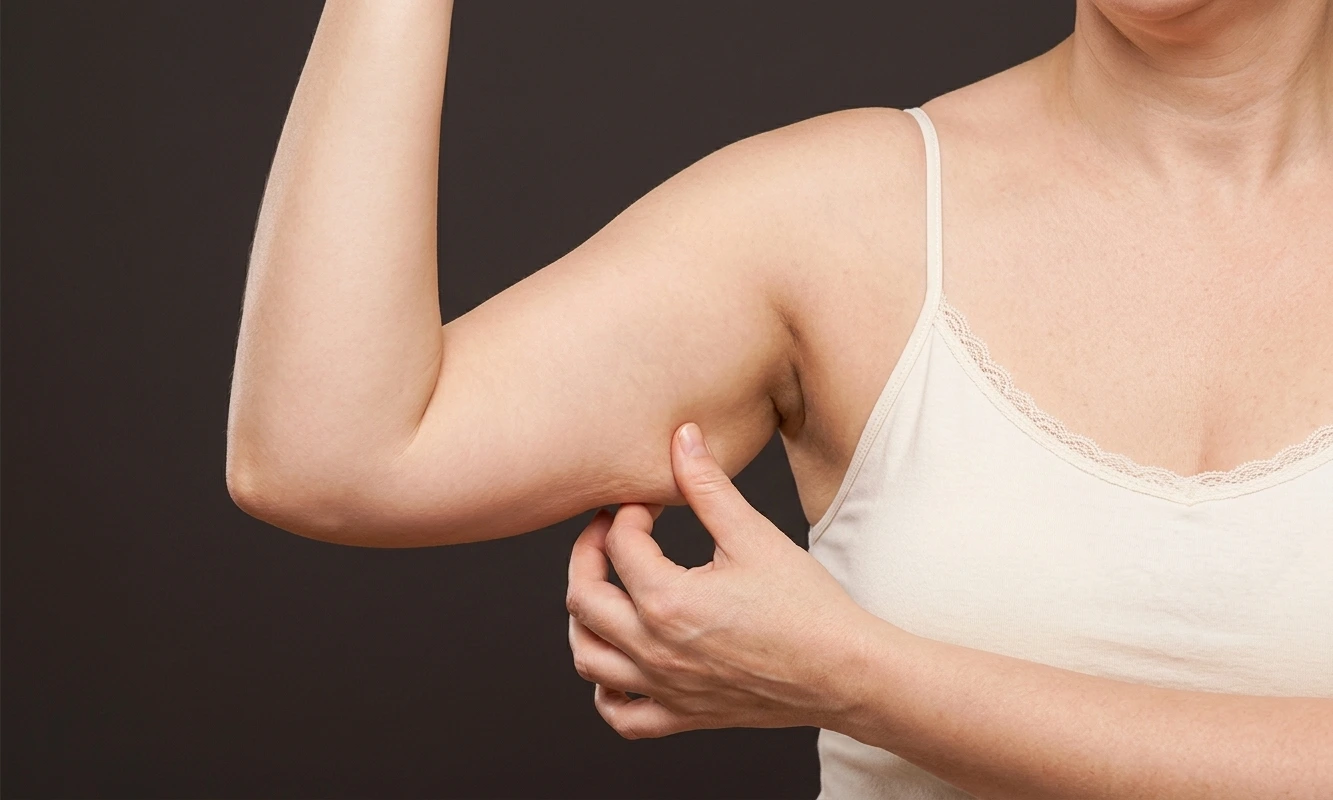
Liposuction does not remove a hanging skin fold or apron. If substantial laxity is already present, reducing the underlying fat may make loose skin more apparent. Examination is needed to assess thickness, elasticity, folds and previous scars.

3. Is there abdominal-wall laxity or diastasis?

Liposuction works above the abdominal wall and cannot repair separated rectus muscles or fascial laxity. A tummy tuck can include plication or repair when examination confirms that it is appropriate.

A visible ridge during movement is not enough to diagnose diastasis or determine an operation online. Symptoms, previous pregnancy or surgery, hernia concerns and physical examination may all affect the plan.

4. Where is the concern located?

Liposuction can address selected fat deposits of the abdomen, waist, flanks and other areas. A standard tummy tuck primarily addresses the anterior abdomen. A mini, full or extended abdominoplasty treats different distributions of skin excess, so the smallest operation is not automatically the correct one.

Can You Have Lipo Without a Tummy Tuck?

Yes. Liposuction alone may be appropriate when the concern is a localized fat deposit and the remaining skin can retract. The assessment should explain what contour change is achievable and whether loose skin could become more visible afterward.

Liposuction in Dubai may be considered when:

  • localized subcutaneous fat is the main concern;
  • skin elasticity appears sufficient for the planned reduction;
  • there is no substantial skin fold requiring excision;
  • abdominal-wall repair is not required;
  • weight is reasonably stable and expectations are realistic; and
  • health, medication and smoking history permit elective surgery.

Liposuction can refine contour, but it cannot guarantee a flat abdomen. It does not remove visceral fat, repair muscle separation, eliminate cellulite or reliably tighten substantial loose skin.

360 Lipo Without a Tummy Tuck

360 lipo usually describes liposuction around the abdomen, flanks and back, although the included areas vary between treatment plans. It describes the areas treated rather than a standardized operation. Having more areas treated does not automatically mean that a tummy tuck is needed, and it does not solve skin excess or abdominal-wall laxity.

For 360 lipo without a tummy tuck, ask the surgeon to identify each proposed area, assess skin quality throughout the waist and explain how treatment extent affects safety and recovery. A wider treatment area may require more recovery support than isolated abdominal liposuction.

Lower Belly Liposuction

Lower belly liposuction targets selected subcutaneous fat below the navel. A lower-abdominal bulge or overhang may also involve loose skin, scar tethering or abdominal-wall changes. Removing fat alone may leave these concerns visible. Assessment should include the upper abdomen and flanks so that the proposed correction fits the surrounding contour.

When a Tummy Tuck May Be the Better Fit

A tummy tuck in Dubai may be considered when:

  • excess abdominal skin is the dominant concern;
  • skin folds remain after pregnancy or major weight change;
  • abdominal-wall laxity or diastasis may require repair;
  • previous scars or a lower-abdominal overhang affect the treatment plan;
  • weight is stable and major future weight loss is not planned; and
  • future pregnancy plans, health and recovery support have been discussed.

A tummy tuck is not simply “stronger liposuction.” A full abdominoplasty involves a lower-abdominal incision, removal of selected skin, possible abdominal-wall repair and commonly creation of a new opening for the navel. A mini tummy tuck has a narrower anatomical indication and does not automatically suit someone seeking a shorter scar.

Can You Combine Liposuction With a Tummy Tuck?

Yes, selected patients may be assessed for lipoabdominoplasty. Liposuction may contour appropriate adjacent areas while abdominoplasty addresses skin redundancy and the abdominal wall. The ASPS comparison of tummy tuck and liposuction notes that some patients benefit from simultaneous treatment, while more extensive fat removal may make staging more appropriate.

Combining procedures is not automatically better. The decision depends on:

  • the amount and location of fat and skin treatment;
  • blood supply to the abdominal tissues;
  • overall operative time and anaesthesia;
  • clot, wound-healing and other individual risk factors;
  • previous abdominal operations;
  • recovery support; and
  • whether a staged plan offers a safer or more predictable approach.

Patients considering several post-pregnancy procedures can also review the Mommy Makeover guide, which explains why combinations must be individualized.

Can You Have a Tummy Tuck With No Lipo?

Yes. Liposuction is an optional addition when selected fat deposits also need treatment. A tummy tuck can remove excess skin and address abdominal-wall laxity without separate liposuction. The decision should follow the examination and risk assessment, including whether the additional contour change justifies a larger procedure.

Nonsurgical Fat Removal from the Stomach

Nonsurgical body-contouring devices may reduce small, localized fat bulges using technologies such as controlled cooling or heat. Results vary and may take time or more than one treatment. These treatments do not excise a skin apron, repair separated abdominal muscles or provide the same degree of correction as surgery.

The FDA guide to non-invasive body contouring explains that these treatments do not treat obesity and have device-specific risks. These can include pain, swelling, burns or skin changes; fat freezing can occasionally cause paradoxical adipose hyperplasia, where the treated fat becomes enlarged and may require surgery. Ask which exact device is proposed, whether it is authorized for the intended area and what alternatives apply to your anatomy.

Tummy Tuck vs Liposuction Recovery

Recovery should be compared by treatment extent rather than by a guaranteed number of days.

Recovery considerationLiposuctionTummy tuck
Early effectsSwelling, bruising, soreness, drainage from selected entry sites and temporary numbness may occurSwelling, tightness, soreness, restricted upright movement, wound care and drains in selected techniques may occur
CompressionOften prescribed according to area and techniqueAn abdominal support garment may be prescribed according to the operation
WorkDepends on number of areas, physical demands and medicationUsually requires more time because movement and lifting are more restricted
ExerciseReintroduced progressively after reviewCore loading and heavy lifting commonly remain restricted longer
Final assessmentContour evolves as swelling resolvesSwelling and scar maturation continue for months

ASPS advises that liposuction patients receive individual instructions for garments, activity, wound care and follow-up; its liposuction recovery overview describes progressive improvement rather than one universal schedule. Tummy tuck recovery is generally more involved because skin excision and possible abdominal-wall repair create a larger healing area.

For home preparation and a staged recovery overview, read the tummy tuck surgery and recovery guide. A combined operation needs its own aftercare plan rather than simply following the shorter of two recovery schedules.

Scars and Results

Liposuction normally leaves several small scars where cannulas enter. Their number and location depend on the areas treated. A tummy tuck leaves a longer lower-abdominal scar; a full procedure commonly adds a scar around the navel. Existing caesarean or abdominal scars may influence incision planning.

Results from either operation vary. Liposuction can create a slimmer contour when fat is the correct target and skin retracts adequately. A tummy tuck can produce a firmer abdominal contour by removing redundant skin and addressing selected abdominal-wall laxity. Weight change, pregnancy, ageing and healing can alter long-term appearance.

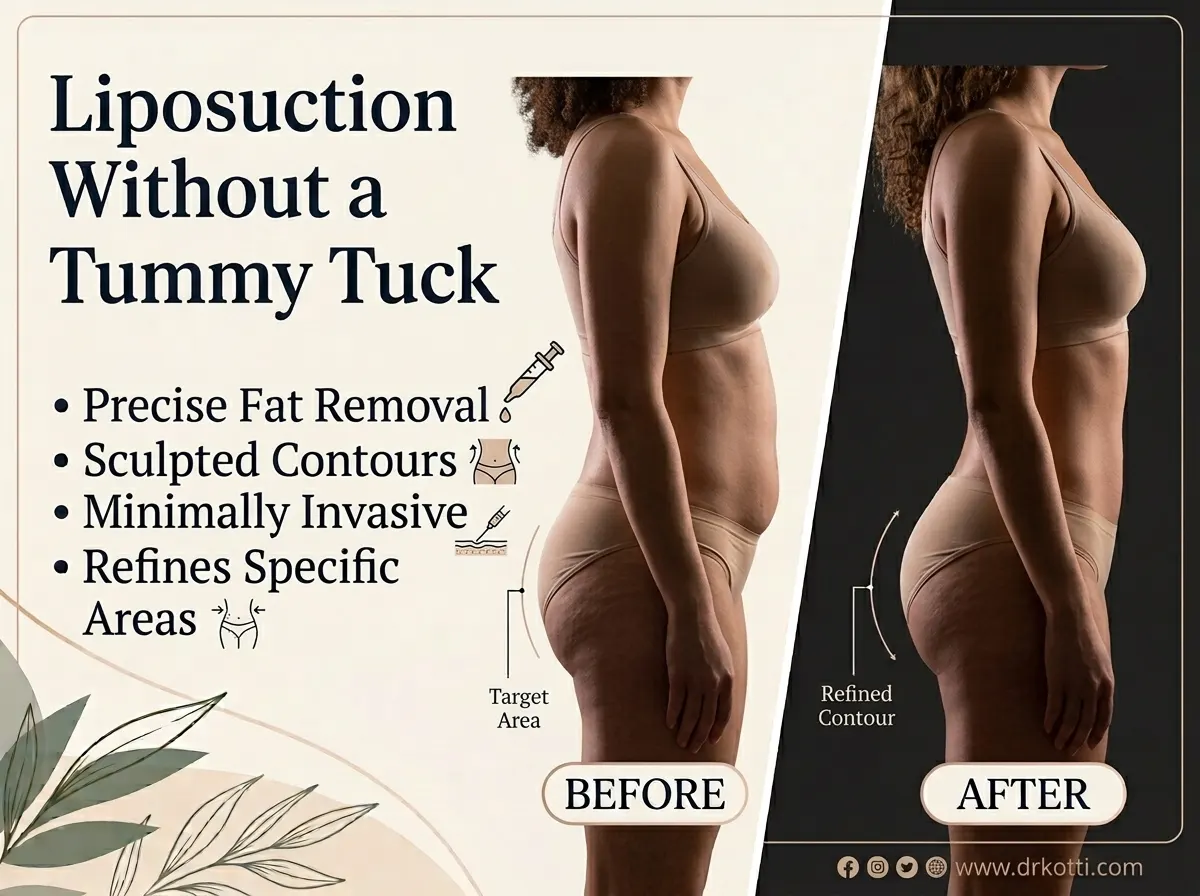
When reviewing before-and-after documentation, compare starting anatomy, treatment area, posture, lighting and healing stage. Another patient’s result cannot predict your own.

Tummy Tuck vs Liposuction Risks

Both are operations and can involve bleeding, infection, anaesthesia complications, altered sensation, asymmetry, contour irregularity, swelling, fluid collections, scarring, blood clots and possible revision surgery. The relative likelihood and consequences differ with procedure scope and individual health.

A tummy tuck involves wider tissue dissection and a longer incision, adding wound-healing and skin-loss considerations. Liposuction risks are influenced by treated volume, fluid shifts, technique and the number of areas. The ASPS tummy tuck safety page provides a broader risk list, but informed consent must address the patient’s actual plan.

Smoking or nicotine use, clotting history, some medicines, unstable weight, uncontrolled medical conditions and extensive combined surgery can change candidacy or require postponement.

Stomach Fat Removal Surgery Cost: What Are You Comparing?

Tummy lipo cost and belly lipo cost usually refer to abdominal liposuction, but a quotation may cover only the lower abdomen, both upper and lower abdomen, or additional waist and back areas. Confirm the actual treatment area before comparing prices. A 360 plan, isolated lower-belly liposuction and a liposuction–tummy tuck combination involve different operative scopes.

Liposuction and tummy tuck cost cannot be compared responsibly from one advertised figure. A quotation may vary with:

  • the number and size of liposuction areas;
  • mini, full or extended abdominoplasty scope;
  • whether abdominal-wall repair is indicated;
  • combined versus staged surgery;
  • operating time and anaesthesia;
  • licensed-facility requirements;
  • garments, dressings and follow-up; and
  • individual medical complexity.

A written quotation should identify what is included rather than presenting only a headline price. Clinical assessment is required before deciding whether the less extensive operation would actually treat the anatomical concern.

Ask whether the quote includes pre-operative tests, anaesthesia, operating-facility fees, garments, medication and follow-up. Clarify the arrangements for unexpected additional care and revision. For nonsurgical treatment, compare the expected course of sessions and its limitations with the surgical plan, rather than comparing a single session price with a complete operation.

Questions to Ask During Consultation

  1. Is my abdominal fullness mainly subcutaneous fat, visceral fat, loose skin or abdominal-wall laxity?
  2. What can the proposed operation change, and what will it not change?
  3. Would liposuction alone make existing skin laxity more visible?
  4. Is a mini, full or extended tummy tuck being proposed, and why?
  5. Should liposuction and tummy tuck be combined or staged in my case?
  6. Where will the incisions and scars be located?
  7. What are my personal clot, wound-healing and anaesthesia risks?
  8. What help, time away from work and follow-up will I need?
  9. What is included in the written quotation?

Choosing an Abdominal Contouring Plan

The practical rule is simple: liposuction treats selected fat; tummy tuck treats excess skin and may repair the abdominal wall. That rule does not replace examination, because skin elasticity, fat depth, previous surgery, hernia concerns and overall health can change the recommendation. When both fat and skin or wall laxity matter, a combined or staged plan may be discussed.

Review the dedicated liposuction and tummy tuck pages before requesting an individual clinical consultation.

Frequently Asked Questions

Can I have liposuction without a tummy tuck?

Yes, selected patients can have liposuction alone when localized subcutaneous fat is the main concern and skin elasticity is adequate. Liposuction does not remove a skin apron, repair muscle separation or remove visceral fat. Examination determines whether fat removal alone can address the concern.

Can I have 360 lipo without a tummy tuck?

A tummy tuck is not automatically required with 360 lipo. The term usually refers to liposuction around the abdomen, flanks and back, although treatment areas vary. Suitability depends on skin elasticity, fat distribution, health and the planned scope. Circumferential fat removal does not replace skin excision or abdominal-wall repair.

Can a tummy tuck be performed without liposuction?

Yes. A tummy tuck can address excess skin and selected abdominal-wall laxity without additional liposuction. Liposuction is added only when suitable fat deposits and the individual risk assessment justify it.

Does lower belly liposuction remove loose skin?

Lower belly liposuction reduces selected fat under the skin. It does not excise loose skin or repair muscle separation. A lower-abdominal fold may contain fat, redundant skin or both, so an examination is needed before choosing treatment.

What affects tummy lipo cost?

Tummy lipo cost depends on the areas treated, procedure extent, anaesthesia, facility, surgeon's fees, garments and follow-up. Compare itemized quotations for the same treatment area and ask whether additional care is included. A reliable price requires examination and a defined plan.

What is the main difference between a tummy tuck and liposuction?

Liposuction removes selected deposits of subcutaneous fat through small incisions. A tummy tuck, or abdominoplasty, removes excess abdominal skin and can repair weakened or separated abdominal-wall tissues when indicated. Liposuction does not remove a skin apron or repair diastasis recti.

Which is better for a flat stomach: tummy tuck or liposuction?

Neither is universally better. Liposuction may improve contour when localized subcutaneous fat is the main concern and skin can retract. A tummy tuck may be more appropriate when loose skin or abdominal-wall laxity is central to the concern. Visceral fat inside the abdominal cavity is not treated by either operation.

Can liposuction tighten loose abdominal skin?

Liposuction removes fat but does not excise substantial loose skin. Skin may retract to a variable degree depending on its elasticity, age, previous pregnancy, weight change and other factors. When skin redundancy is significant, removing fat alone may leave laxity visible.

Can liposuction and a tummy tuck be performed together?

Selected patients may be considered for lipoabdominoplasty, which combines abdominal skin removal or repair with liposuction of appropriate areas. Combining or staging procedures depends on health, anatomy, treatment extent, operative time and the surgeon's risk assessment.

Which has a longer recovery: tummy tuck or liposuction?

A tummy tuck generally requires a longer and more restrictive recovery because it involves a longer incision, skin removal and sometimes abdominal-wall repair. Liposuction recovery also varies with the number of areas and volume treated. Individual instructions determine return to work, driving and exercise.

Which leaves a larger scar: tummy tuck or liposuction?

Liposuction usually uses several small cannula-entry incisions. A full tummy tuck uses a longer lower-abdominal incision and commonly an incision around the navel. Scar length, position and maturation depend on technique, anatomy and healing.

What affects tummy tuck vs liposuction cost?

Cost depends on the procedure and treatment extent, anatomical complexity, operating time, anaesthesia, facility requirements, garments, follow-up and whether operations are combined or staged. An accurate written quotation requires clinical assessment.

Are tummy tuck and liposuction weight-loss procedures?

No. Both are body-contouring operations rather than treatments for obesity. Liposuction targets selected subcutaneous fat, while a tummy tuck addresses excess abdominal skin and selected abdominal-wall laxity. Stable weight and medical suitability are important planning considerations.

Menu
Phone
Book a consultation Message us on WhatsApp